
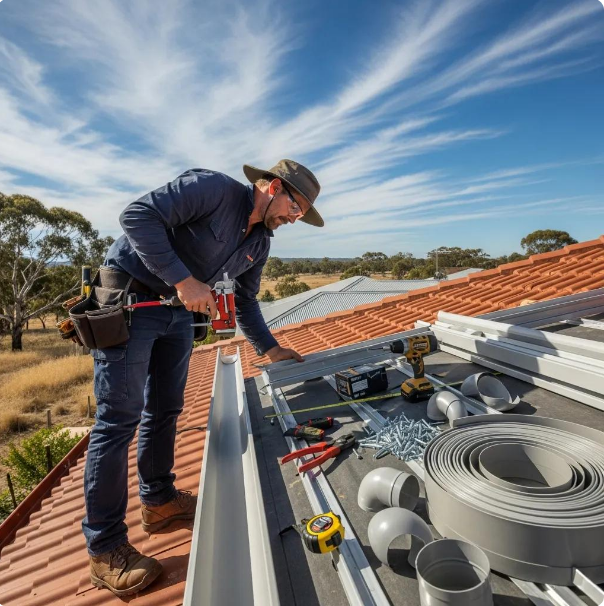
Installing gutters in Australia requires following a set of regulations designed to protect people, buildings and the environment. This guide breaks down the standards and rules you need to know, whether you’re a homeowner, builder or contractor. We explain the National Construction Code and AS/NZS 3500.3, the rules that apply to different gutter types, local requirements in Adelaide, and practical maintenance and compliance tips. By the end you’ll have clear, actionable guidance to keep your guttering compliant and working well.
What are the key Australian standards governing gutter installation?
Gutter work in Australia is principally governed by the National Construction Code (NCC) and the Australian/New Zealand standard AS/NZS 3500.3 for stormwater drainage. These documents set out requirements for design, materials, installation and maintenance so systems manage stormwater effectively and protect buildings from water damage. Meeting these standards is both a legal obligation and best practice for long-term performance.
How does the National Construction Code define gutter requirements?
The NCC establishes the regulatory framework for building work, including specifications that affect gutters. It covers acceptable materials, minimum dimensions, installation methods and performance outcomes that prevent water ingress and structural harm. Builders and contractors must follow the relevant clauses to achieve compliance and pass inspections.
What does AS/NZS 3500.3 require for stormwater drainage?
AS/NZS 3500.3 provides detailed technical requirements for stormwater systems: sizing gutters and downpipes, specifying suitable materials, setting falls and connections, and outlining maintenance expectations. Adhering to this standard helps avoid flooding, overflows and long-term damage to the property.
What are the specific regulations for different gutter types in Australia?
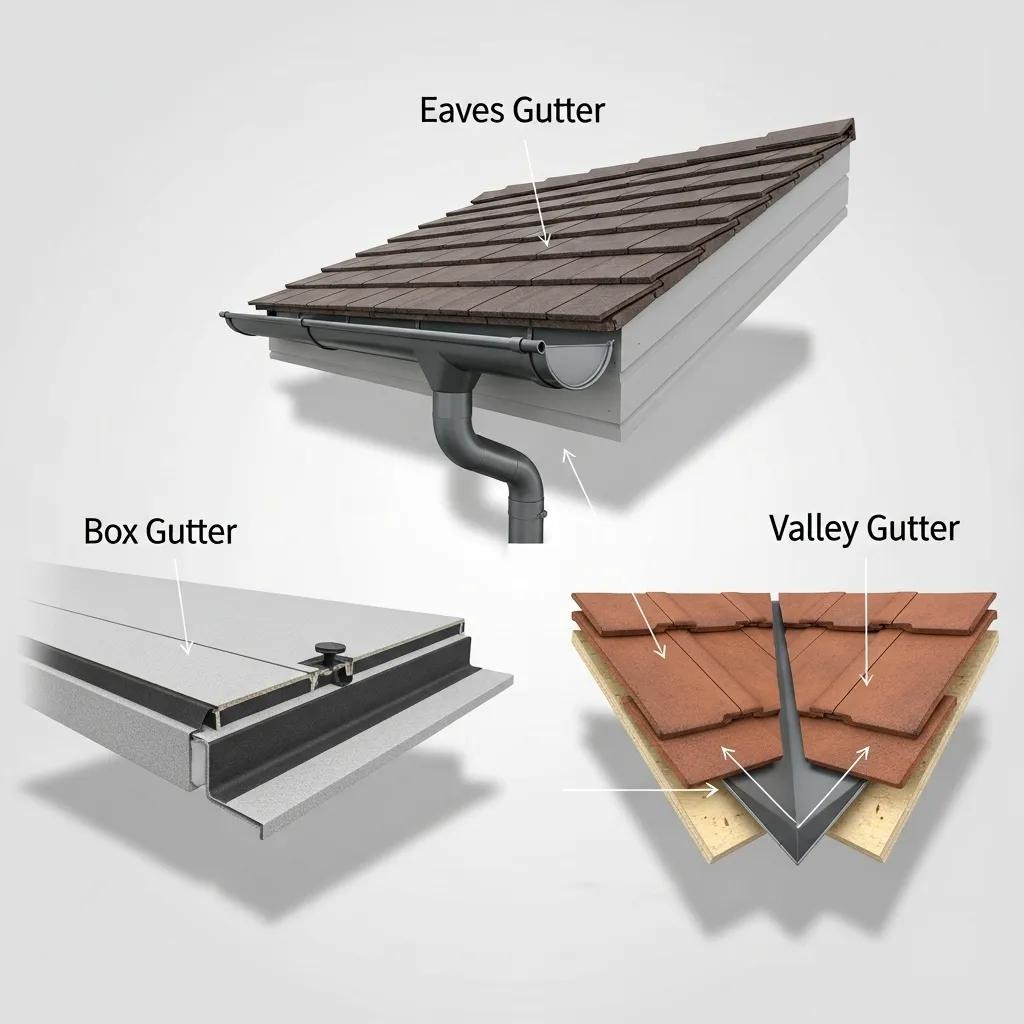
Eaves, box and valley gutters each have distinct installation requirements. Understanding those differences helps you choose the right system and ensures the installation meets regulatory and performance expectations.
What are the installation standards for eaves gutters?
Eaves gutters are fitted at the roof edge and must be installed with the correct fall, secure fixings and approved materials so water reaches the downpipes without overflowing. Proper fastening and grade are essential to prevent leaks and protect the building fabric.
How do box and valley gutters differ in regulatory requirements?
Box gutters are designed to carry larger volumes and therefore require careful sizing, drainage and overflow provisions. Valley gutters need correct flashing and attention to roof pitch to channel water effectively and avoid blockages. Each type has specific detailing and maintenance expectations under the relevant standards.
How are downpipe and stormwater drainage systems regulated for compliance?
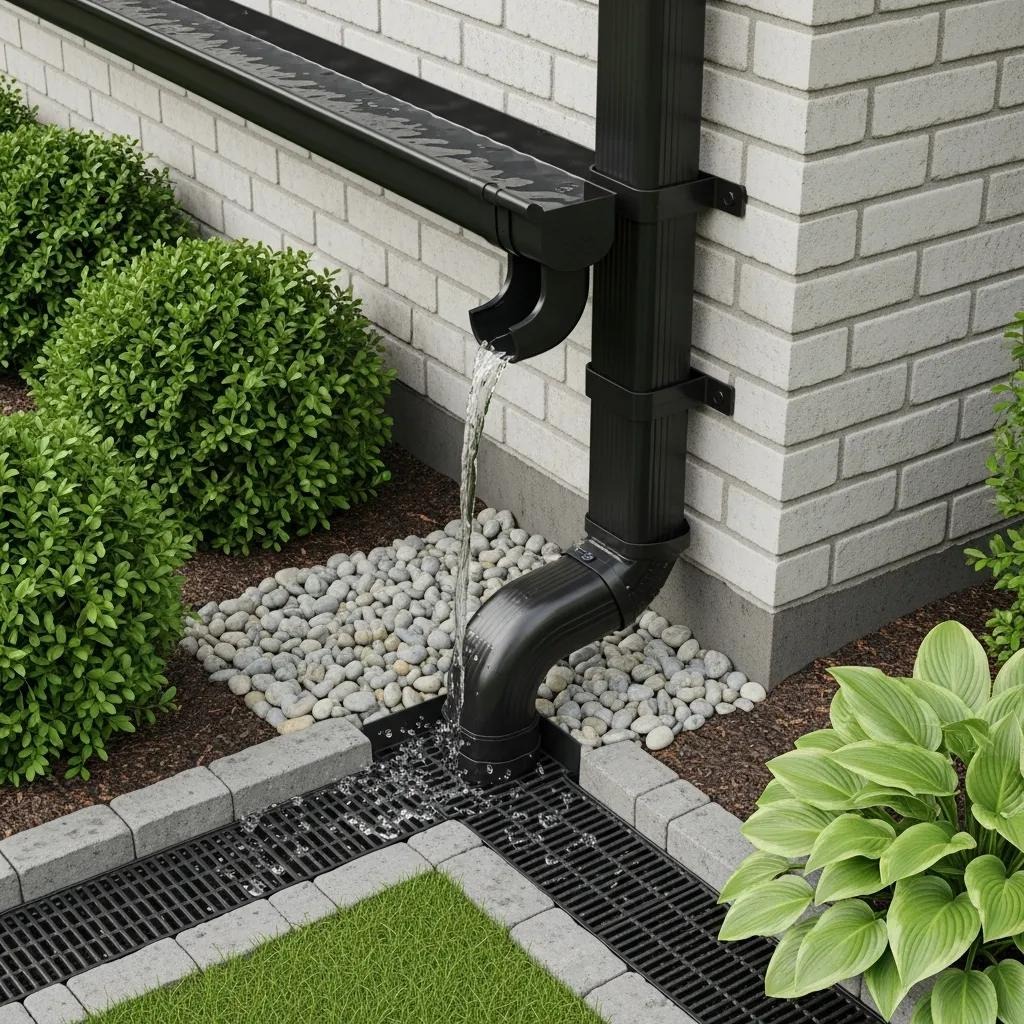
Downpipes and stormwater connections form part of the overall gutter system and are regulated to ensure safe, effective discharge of roof runoff. Correct sizing, spacing and connection to the stormwater network are essential to meet the standards and protect the property.
What are the sizing and spacing requirements for downpipes?
Regulations specify minimum downpipe diameters and maximum spacing so the system can carry expected runoff volumes. Following these rules prevents backups and reduces the risk of water ponding around foundations or overflowing during heavy rain.
What are the mandatory overflow and stormwater connection provisions?
Systems must include overflow relief measures and be properly connected to the stormwater network or approved disposal point. These provisions ensure excess water is safely diverted away from the building during extreme events and maintain compliance with council and state requirements.
What local regulations affect gutter installation in Adelaide and South Australia?
Local councils across Adelaide and South Australia often impose additional requirements that influence gutter and stormwater works. These local rules typically address environmental outcomes, approved connection points and site-specific conditions.
How do Adelaide councils influence stormwater and gutter compliance?
Councils may require specific materials, approved discharge points, on‑site detention measures or inspection documentation for certain projects. Checking council requirements early avoids delays and ensures your guttering plan meets local conditions and approvals.
What environmental protection guidelines impact gutter installation?
Environmental guidelines aim to minimise pollutants and manage runoff to protect waterways. Measures such as sediment control during works, first‑flush diversion and specifying low‑pollutant materials may be recommended or required to meet council and environmental standards.
How can homeowners ensure compliance through best practices and maintenance?
Homeowners can take sensible steps to ensure gutter systems remain compliant and effective: confirm local rules, choose materials that meet standards, hire licensed trades and keep a regular maintenance schedule to catch problems early.
What is the pre-installation compliance checklist for Adelaide properties?
Before installation, verify council requirements, confirm that chosen materials comply with AS/NZS standards, calculate roof catchment and downpipe layout, and check the installer holds the required licences. Completing this checklist reduces the chance of unexpected compliance issues.
How often should gutters be maintained to meet regulatory standards?
Regular maintenance is important: inspect gutters at least twice a year and after severe storms, clear debris, check fixings and look for corrosion or leaks. Routine care keeps the system performing and helps maintain compliance with safety and performance expectations.
Why is hiring a licensed roof plumber essential for gutter installation compliance?
Using a licensed roof plumber ensures the work meets legal, technical and safety standards. Licensed professionals bring the training and experience needed to design, install and certify compliant gutter systems.
What are the legal requirements for licensed plumbers in South Australia?
In South Australia, roof plumbing must be carried out by licensed tradespeople who have completed accredited training and hold the appropriate registration. Licensing verifies competency and is often necessary for council approvals and warranties.
How does professional installation prevent non-compliance risks?
A licensed installer will size and lay out the system correctly, follow code requirements, provide documentation and warranties, and reduce the risk of rework, fines or water damage. Investing in professional installation protects your home and gives you confidence the job is done right.
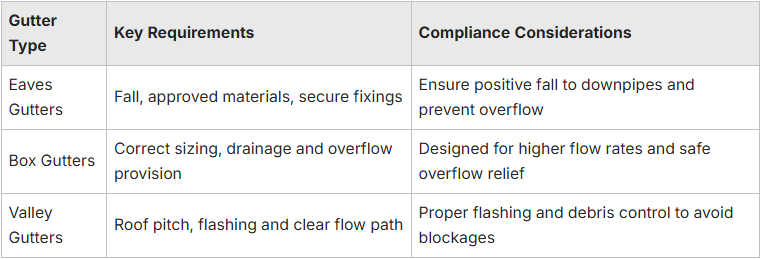
This table summarises the main regulatory points and what to check for each gutter type, reinforcing the need to follow specific requirements for reliable stormwater management.