
How Often Should Gutters Be Cleaned? Essential Gutter Maintenance Schedule and Safety Tips
Maintaining clean gutters is crucial for protecting your home from water damage and ensuring proper drainage. This article will explore the recommended frequency for gutter cleaning, the signs that indicate your gutters need attention, and the best practices for safely cleaning them. Homeowners often overlook gutter maintenance, leading to costly repairs and potential hazards. By understanding how often gutters should be cleaned and the factors that influence this schedule, you can take proactive steps to safeguard your property. We will cover essential topics, including seasonal weather impacts, debris types, and the benefits of professional versus DIY cleaning.
What Is the Recommended Gutter Cleaning Frequency for Homeowners?
Homeowners should aim to clean their gutters at least twice a year, ideally in the spring and fall. This schedule helps prevent clogs caused by leaves, twigs, and other debris that accumulate during these seasons. However, the frequency may vary based on several factors, including local weather conditions and the presence of nearby trees. In some cases, gutters may need cleaning three or four times a year if there are many trees nearby or after severe weather events. Regular maintenance not only extends the life of your gutters but also protects your home from water damage and foundation issues.
How Do Seasonal Weather Patterns Affect Gutter Cleaning Intervals?

Seasonal weather patterns significantly influence how often gutters need cleaning. For instance, areas that experience heavy rainfall or snowfall may require more frequent cleaning to prevent water from pooling and causing damage. In contrast, regions with milder climates may not need as frequent maintenance. Homeowners should monitor their gutters after significant weather events, as heavy storms can lead to increased debris accumulation.
Which Debris Types Influence How Often Gutters Need Cleaning?
The types of debris that accumulate in gutters can also affect cleaning frequency. Common debris includes:
- Leaves and Twigs: These organic materials can quickly clog gutters, especially during fall.
- Bird Nests: Nests can obstruct water flow and should be removed promptly.
- Dirt and Sand: In some areas, dirt can wash into gutters, leading to blockages.
Understanding the specific debris types in your area can help you determine the best cleaning schedule.
What Are the Clear Signs That Gutters Need Cleaning?
Recognizing the signs that your gutters need cleaning is essential for maintaining their functionality. Homeowners should be vigilant for several indicators that suggest it's time for maintenance.
How Can Homeowners Identify Debris Accumulation and Clogging?
Homeowners can identify debris accumulation by performing regular visual inspections. Look for:
- Overflowing Water: If water spills over the sides of the gutters during rain, it indicates a blockage.
- Sagging Gutters: Gutters that sag or pull away from the house may be weighed down by debris.
- Visible Debris: If you can see leaves or other materials in the gutters, it's time to clean them.
Using tools like a flashlight can help inspect hard-to-see areas.
What Are the Risks of Ignoring Gutter Maintenance?
Neglecting gutter maintenance can lead to severe consequences, including:
- Water Damage: Clogged gutters can cause water to overflow, damaging your roof, walls, and foundation.
- Mold Growth: Standing water can promote mold growth, posing health risks to occupants.
- Pest Infestations: Debris-filled gutters can attract pests like mosquitoes and rodents.
Addressing these risks through regular maintenance is vital for protecting your home.
How To Clean Gutters Safely: Tools, Equipment, and Best Practices
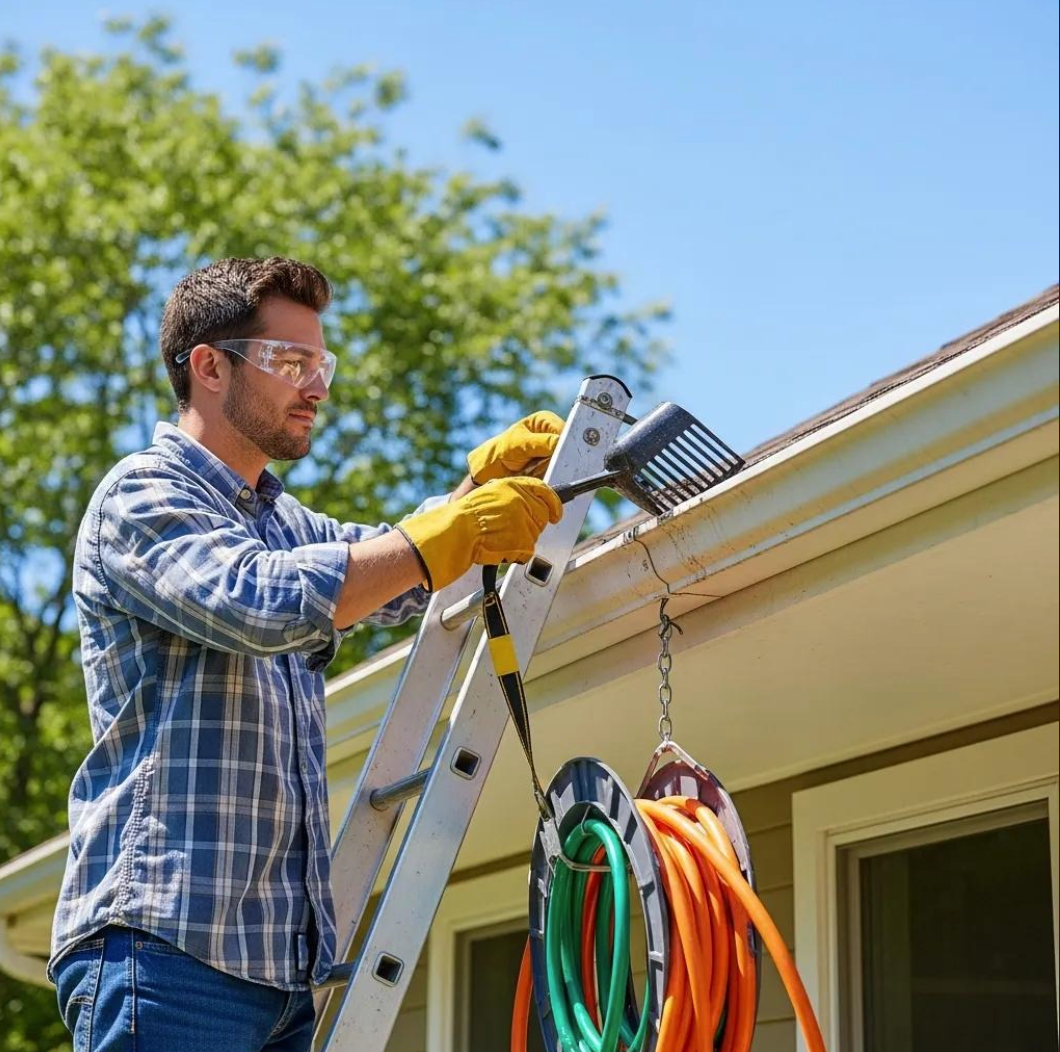
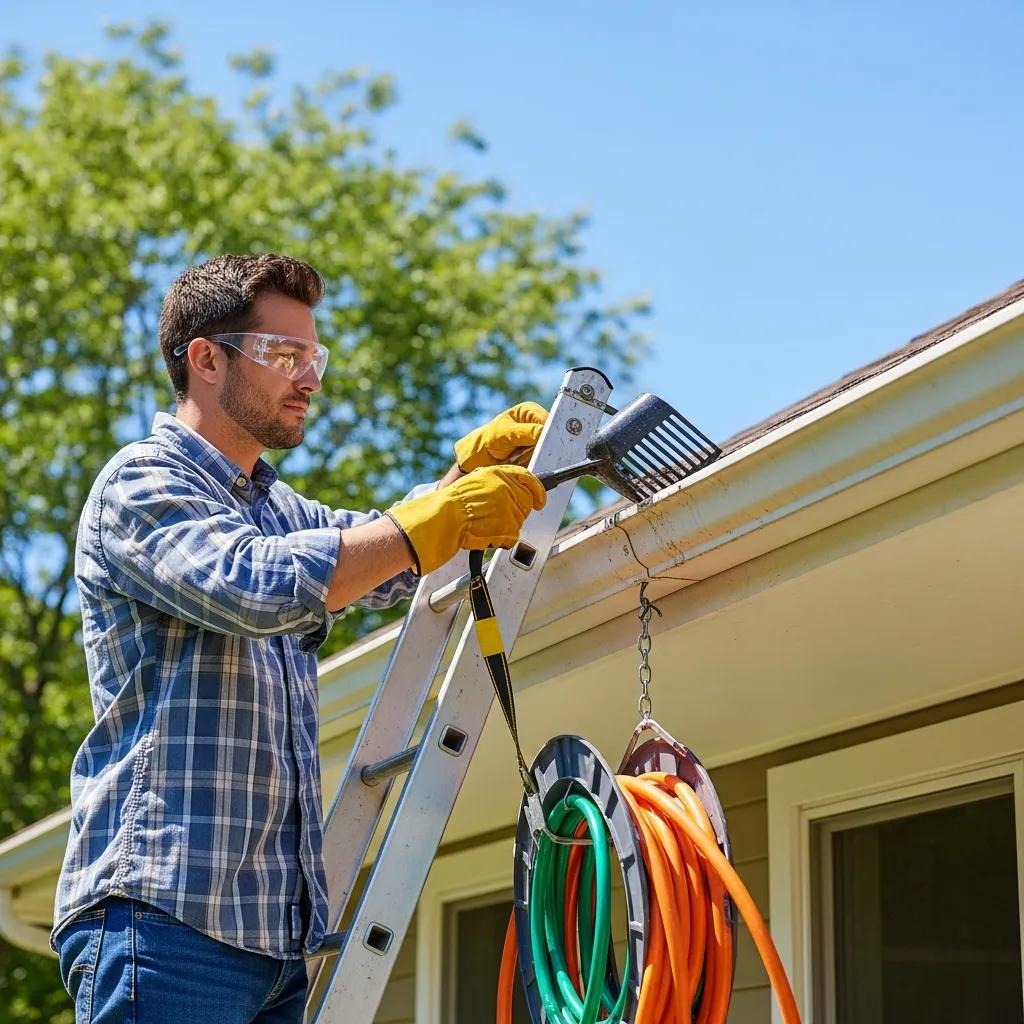
Cleaning gutters can be a straightforward task if done safely and effectively. Homeowners should equip themselves with the right tools and follow best practices to ensure a successful cleaning.
What Safety Equipment Is Essential for DIY Gutter Cleaning?
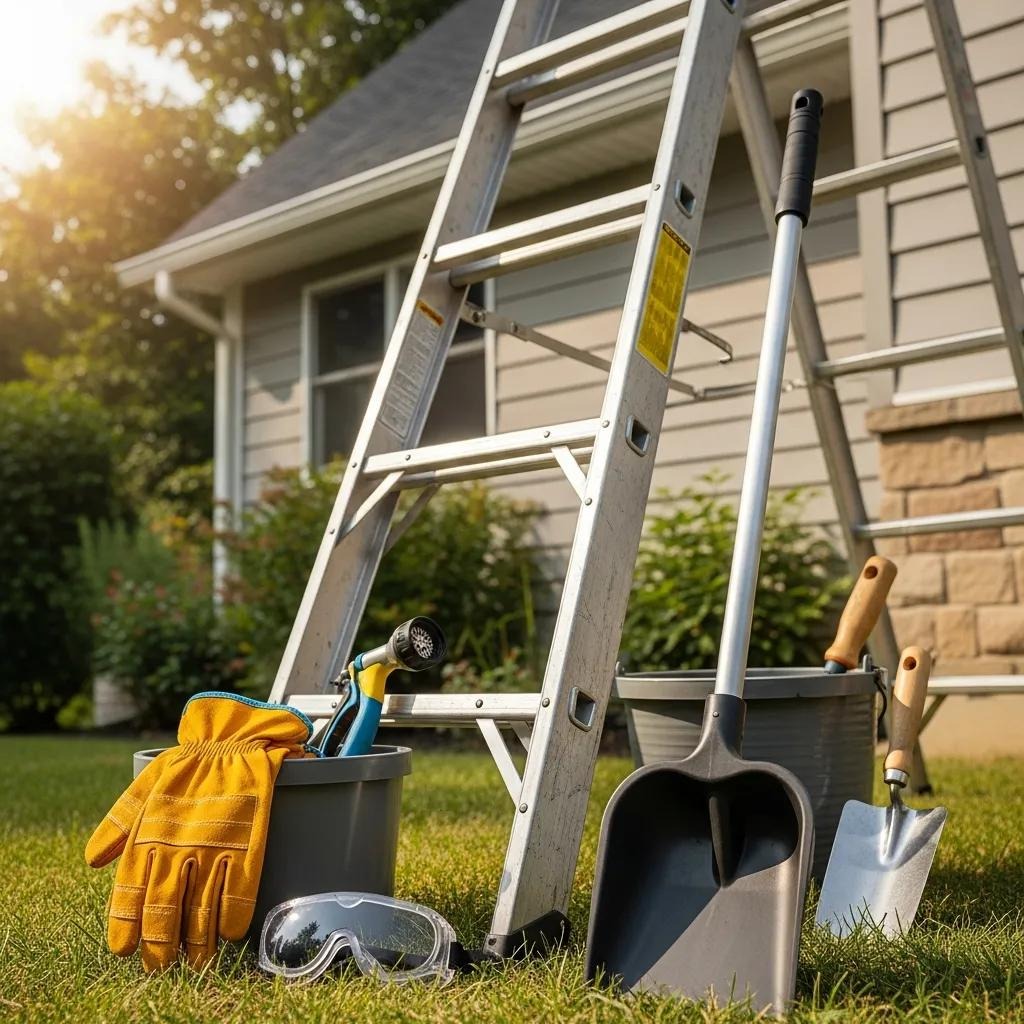
Safety should always be a priority when cleaning gutters. Essential safety equipment includes:
- Ladders: Use a sturdy ladder that extends at least three feet above the roofline.
- Gloves: Protect your hands from sharp debris and potential contaminants.
- Eye Protection: Safety goggles can shield your eyes from falling debris.
Taking these precautions can help prevent accidents during the cleaning process.
Which Tools and Methods Ensure Effective Gutter Cleaning?
Several tools and methods can enhance the effectiveness of gutter cleaning:
- Gutter Scoop: A specialized scoop can help remove debris quickly.
- Hose with a Nozzle: A hose can flush out remaining debris and ensure proper drainage.
- Gutter Cleaning Attachment: Some hoses come with attachments designed to reach high gutters without a ladder.
Using the right tools can make the cleaning process more efficient and thorough.
Should You Choose Professional Gutter Cleaning or DIY Maintenance?
Deciding between professional gutter cleaning services and DIY maintenance depends on several factors, including personal skill level and safety concerns.
What Are the Benefits of Hiring Professional Gutter Cleaning Services?
Hiring professionals for gutter cleaning offers several advantages:
- Expertise: Professionals have the experience to identify potential issues and perform thorough cleanings.
- Safety: They are trained to work at heights and use the proper equipment, reducing the risk of accidents.
- Time-Saving: Professionals can complete the job quickly, allowing homeowners to focus on other tasks.
While there is a cost associated with hiring professionals, the benefits often outweigh the expense.
When Is DIY Gutter Cleaning Appropriate and Safe?
DIY gutter cleaning can be appropriate for homeowners who are comfortable with heights and have the necessary tools. Consider DIY cleaning if:
- You have a single-story home with easily accessible gutters.
- You are confident in your ability to safely use a ladder.
- You can perform regular inspections and maintenance.
However, if you have a multi-story home or are unsure about your safety, hiring a professional is advisable.
How Does Gutter Guard Maintenance Impact Cleaning Frequency?
Gutter guards can significantly reduce the frequency of gutter cleaning by preventing debris from entering the system.
Can Gutter Guards Reduce the Need for Frequent Cleaning?
Gutter guards act as a barrier, allowing water to flow through while blocking larger debris. This can lead to:
- Less Frequent Cleanings: Homeowners may only need to clean their gutters once a year instead of twice.
- Reduced Clogging: Gutter guards help maintain clear pathways for water, reducing the risk of overflow.
Investing in quality gutter guards can save time and effort in the long run.
What Are the Best Practices for Maintaining Gutter Guards?
To ensure gutter guards remain effective, homeowners should follow these best practices:
- Regular Inspections: Check for any debris buildup on top of the guards.
- Cleaning the Guards: Occasionally, remove and clean the guards to maintain optimal performance.
- Professional Maintenance: Consider hiring professionals for thorough inspections and maintenance.
By adhering to these practices, homeowners can maximize the benefits of gutter guards and minimize cleaning frequency.